Office Massage for Mining Companies
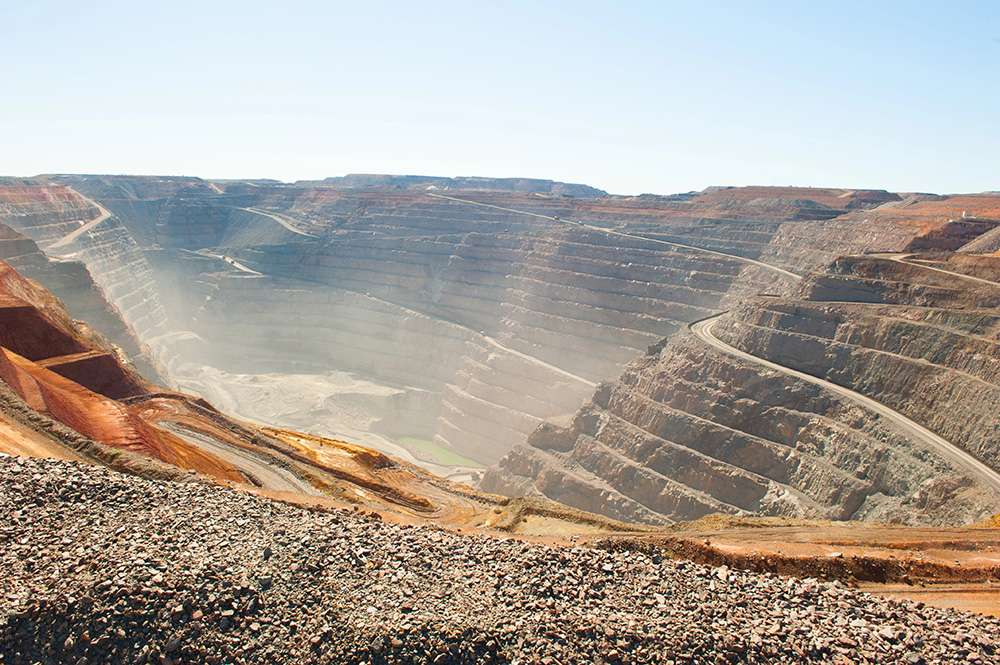
For mining companies, wellness isn’t a fluffy HR add‑on – it’s central to safety, performance and emplyee retention. FIFO and remote workers operate in physically demanding, psychologically taxing environments, often with long shifts, disrupted sleep, social isolation and limited access to health services.

In this context, regular on‑site office massage (seated head, neck and shoulder massage) is emerging as a practical, evidence‑informed tool that can be built directly into your company’s corporate wellness and safety programs – from Perth head office to WA mine sites.
On‑site massage is a perfect fit for a mining company’s overall wellness strategy.
Below is a deep dive into findings from real medical literature and white papers (no fluff here) about massage, stress, pain, immunity and mental health – all reframed for the realities of FIFO and remote operations.
Why Massage Belongs in Mining & FIFO Wellness Programs
A comprehensive wellness strategy in mining usually targets four key areas:
- Physical health & musculoskeletal safety
– manual handling, repetitive strain, static postures (driving, control rooms), fatigue and pain. - Mental health & psychological safety
– stress, anxiety, sleep disturbance, isolation, family strain, and critical incident exposure. - Fatigue & performance management
– long shifts, night work, 2/1 or 3/1 rosters, and extended periods away from home. - Retention, engagement & safety culture
– turnover, morale, safety attitudes and engagement with company values.
Regular seated massage
Head and shoulder massage, delivered on ergonomic massage chairs or at workstations – cuts across all four:
- Eases musculoskeletal tension from long shifts, PPE load and static positions.
- Reduces physiological stress and supports better sleep and recovery.
- Acts as a “micro‑break” that improves alertness, clarity and problem‑solving.
- Sends a visible, tangible signal that the company genuinely prioritises worker wellbeing.
Perth Corporate Massage has already been providing on‑site seated massage to WA mines and corporate offices, including multi‑location rollouts. Their experience on the ground lines up strongly with what the medical and occupational health literature is now showing.
What the Medical and Research Literature Says About Massage
Below is a synthesis of consistent findings across peer‑reviewed studies, clinical trials and health organisation summaries. Most research is not mining‑specific, but the mechanisms are directly relevant to FIFO and remote work.
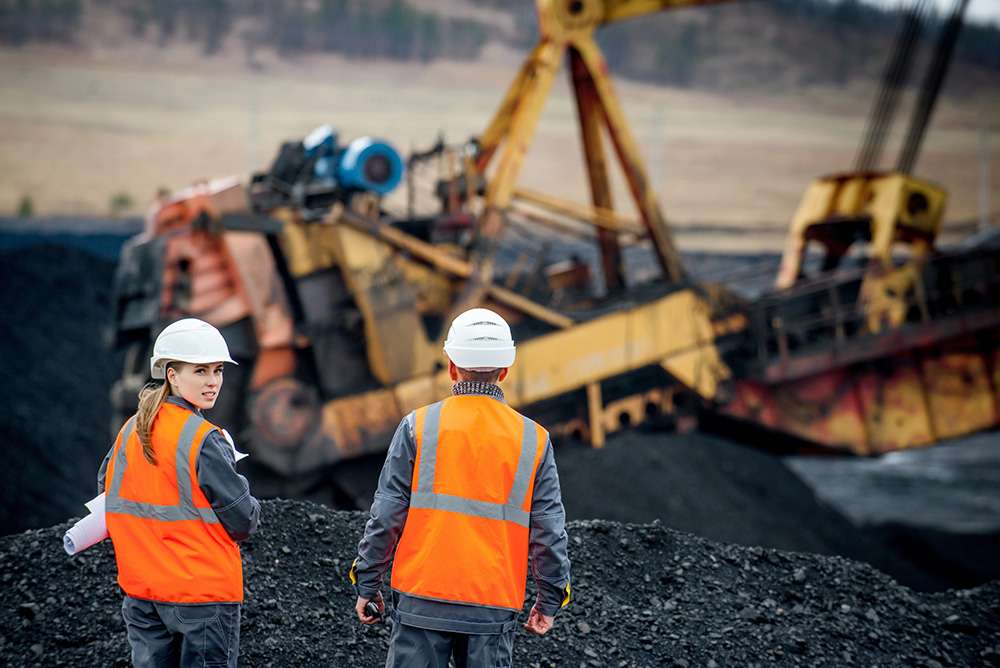
1. Stress Reduction and Regulation of the Stress Response
What the research shows
Clinical studies and systematic reviews have repeatedly found that massage therapy:
- Reduces cortisol (the body’s main stress hormone) in blood and saliva.
- Increases serotonin and dopamine, neurotransmitters associated with improved mood, relaxation and motivation.
- Reduces self‑reported anxiety, tension and perceived stress, including in high‑stress populations (healthcare workers, carers, people with chronic illness).
Short chair massage sessions (10–20 minutes) have been shown to:
- Lower heart rate and blood pressure in the short term.
- Improve subjective relaxation and reduce agitation compared with simple rest breaks of the same duration.
- Provide a cumulative effect when delivered regularly (e.g. weekly for several weeks).
Why this matters for FIFO and remote workers
FIFO workers experience:
- Chronic stress from long rosters and time away from family.
- Additional strain from shift rotations, night work and environmental extremes.
- Pressure to maintain alertness in safety‑critical roles, with little privacy or time for self‑care.
Regular on‑site massage provides a structured, accessible stress‑recovery tool:
- It does not require extra travel or appointment‑booking – the therapist comes to the crib room, office or designated wellness space.
- It can be scheduled into shift patterns as part of a formal fatigue management strategy.
- It offers a non‑verbal, low‑stigma way to regulate stress for workers who may be reluctant to talk about mental health.
2. Musculoskeletal Pain, Tension and Injury Prevention
What the research shows
Musculoskeletal (MSK) pain – especially in the neck, shoulders and back – is a major cause of lost time injuries and reduced productivity worldwide. Research on massage has found:
- Chronic neck and shoulder pain: Clinical trials show that 15–30 minute massage, 1–2 times per week, can significantly reduce pain intensity and improve function.
- Low back pain: Massage offers short‑ to medium‑term pain relief and improved mobility, comparable to other conservative therapies like exercise or acupuncture in some studies.
- Tension‑type headaches: Massage targeting neck and shoulder musculature can decrease frequency and severity of headaches.
Mechanical and neurophysiological mechanisms include:
- Reduction in muscle tone and spasm.
- Improved circulation and lymphatic flow, aiding tissue recovery.
- Modulation of pain signalling via the nervous system (the “gate control” theory of pain).
- Improved range of motion and joint function.
Why this matters in mining
Mine and remote workers face a unique mix of musculoskeletal carga:
- Long periods of sitting in vehicles, heavy machinery or control rooms.
- Repetitive or awkward movements, often in PPE.
- Vibration exposure and static loading.
- Limited access to physiotherapy or hands‑on treatment on site.
Seated massage targeted to key regions (neck, shoulders, upper and lower back, forearms) can:
- Relieve accumulated tension that, unmanaged, progresses to lost time injuries.
- Support manual handling programs by maintaining tissue flexibility and comfort.
- Help keep older or long‑serving workers in the workforce longer and more comfortably.
Perth Corporate Massage specifically emphasises “office massage” and “seated massage benefits” for repetitive strain, carpal tunnel‑type symptoms and general fatigue – exactly the patterns seen in drivers, operators and computer‑based staff in mining.
3. Immune Function and Illness
What the research shows
White papers and clinical research into massage and immunity suggest:
- Massage can temporarily increase the activity of certain immune cells, such as natural killer (NK) cells, which play a role in defending against viruses and abnormal cells.
- It may modulate cytokines (inflammatory mediators), shifting the immune response towards a more balanced, less chronically inflamed state.
- It is associated with improved sleep quality, which is itself one of the strongest determinants of immune resilience.
Perth Corporate Massage’s own blog references the link between massage and immunity: reflecting the growing consensus that chronic stress suppresses immune function, while stress‑relieving practices like massage help restore balance.
Why this matters for remote sites
In a FIFO village or remote camp:
- Respiratory and viral illnesses can spread quickly due to shared facilities and close living quarters.
- Poor sleep and chronic stress further suppress immune resilience.
- Illness can rapidly become an operational problem – reduced staffing, delays, and costly backfill.
Massage is not a replacement for vaccination, hygiene or medical care, but within a wellness regime it can:
- Contribute to fewer minor illnesses by supporting overall stress management and sleep.
- Help workers recover faster when they are run down (in combination with medical advice).
- Reduce absenteeism and unplanned medical evacuations over time.
4. Sleep, Fatigue and Cognitive Performance
What the research shows
Studies in clinical and occupational settings indicate that massage:
- Improves sleep quality (longer sleep, fewer awakenings, better perceived rest).
- Reduces daytime fatigue and increases feelings of alertness after sessions.
- Enhances certain aspects of cognitive performance, including problem‑solving, mental flexibility and sustained attention, compared with rest controls.
Even brief interventions – such as a single 10–15 minute seated massage – have been associated with:
- Improved reaction time and mental clarity.
- Better ability to switch tasks and manage demands.
Perth Corporate Massage highlights this directly: one of the documented benefits of chair massage is improved problem‑solving skills, making it a performance, not just relaxation, tool.
Why this matters for safety‑critical FIFO roles
In mining, fatigue and cognitive dullness are safety issues, not just comfort issues:
- Operators, drivers, fitters and control room staff must maintain high levels of vigilance.
- Fatigue is a known contributor to incidents and near misses.
- Rosters often include night shifts and rapid changes.
Strategically timed massage sessions (for example, early in a shift, or between high‑concentration tasks) can improve:
- Vigilance and focus in safety‑critical tasks.
- The quality of micro‑recoveries during long shifts.
- Overall performance and decision‑making capacity.
5. Mental Health, Mood and Psychological Safety
What the research shows
Massage is increasingly used alongside psychological care to support mental health. Clinical studies and hospital‑based programs report:
- Reduced symptoms of anxiety and depression in various populations when massage is used as an adjunct.
- Improved mood, emotional regulation and sense of wellbeing immediately after sessions.
- Benefits in high‑stress settings (e.g. nurses, carers, oncology patients).
From the mental health perspective, massage provides:
- A somatic (body‑based) route to calming the nervous system.
- A structured opportunity to “check in” with oneself physically and emotionally.
- A sense of being cared for and supported – especially important in isolated or high‑pressure work.
Perth Corporate Massage’s blog touches on mental wellbeing and the importance of everyday “R U OK?” practices. Massage fits neatly into that framework as a practical expression of care.
Why this matters for FIFO and remote workers
FIFO workers already show:
- Elevated rates of psychological distress in some studies compared to the general population.
- Risk factors including isolation from family, stigma around help‑seeking, and exposure to traumatic events.
On‑site massage:
- Offers a low‑threshold gateway into the wellness system – a worker who might never book a psychologist may accept a massage.
- Can be paired with subtle signposting to other supports (EAP, site psychologist, helplines).
- Helps foster a culture where self‑care is normalised and supported by management.
How Office Massage Integrates with Existing Mining Wellness & Safety Programs
Massage is not a standalone solution. Its value multiplies when integrated with existing structures mining companies already invest in:
1. Fatigue Management and Rostering
- Build short massage slots (10–15 minutes) into rostered breaks for high‑risk roles.
- Use massage days strategically during known high‑stress periods (shutdowns, ramp‑ups).
- Record participation and link it to fatigue‑related incident data over time.
2. Musculoskeletal Injury Prevention Programs
- Combine manual handling training with on‑site massage to help workers manage load and tension.
- Ask therapists to provide feedback patterns (e.g. “Most haul truck drivers have severe right‑side shoulder tension”) – feed this back into ergonomics and engineering controls.
- Offer massage as an early intervention tool when workers report discomfort, before it becomes a recordable injury.
3. Mental Health, EAP and Psychological Support
- Position massage as one layer of the mental health safety net (alongside EAP, site psychologists, peer supporters).
- Train therapists in basic signposting – e.g. handing out cards with helpline and EAP contacts if a worker expresses deeper distress.
- Align massage days with mental health campaigns (“R U OK?” initiatives, stress awareness weeks).
4. Safety Culture and Engagement
- Use massage as a tangible “thank you” during safety milestones or after major projects.
- Include it at toolbox talks, wellness days, or safety stand‑downs.
- Encourage leaders and supervisors to participate publicly, signalling that wellbeing is part of “how we do work here”.
Practical Implementation for Mining HR and HSE Teams
1. Delivery Models That Work on Site
With a Perth‑based provider like Perth Corporate Massage, mining companies can:
- Schedule regular site visits aligned with roster cycles.
- Use a spare room, medical facility or training room as a quiet massage space, or have therapists move through offices and control rooms with portable equipment.
- Roll out multi‑site programs, as some of their clients have already done, coordinating massage days across several locations over a week.
2. Session Length and Frequency
For FIFO and remote sites, common structures include:
- 10–15 minute sessions per person, focused on head, neck, shoulders, back and forearms.
- Weekly, fortnightly or monthly visits depending on workforce size and budget.
- Intensified scheduling during high‑demand periods, followed by maintenance programs.
Even short, regular sessions can produce cumulative benefits in stress, pain and mood.
3. Cost Management and ROI
From an HR/Finance standpoint, massage can be justified via:
- Reduced absenteeism (fewer days lost to MSK pain and stress‑related illness).
- Lower turnover – particularly for experienced, hard‑to‑replace workers.
- Improved engagement scores and safety metrics.
- Enhanced employer branding in a competitive labour market.
You can track ROI by:
- Running pre/post surveys on stress, pain and fatigue at each massage day.
- Monitoring injury data, sick leave and turnover in participating teams vs. non‑participating teams.
- Collecting qualitative feedback, as many of Perth Corporate Massage’s clients do:
- “Staff were very happy. Professional service and a great way to reduce stress.”
- “We only receive positive feedback about the professional service the therapists provide.”
Bringing It All Together
For mining companies, particularly those employing FIFO and remote workers, the wellness conversation has shifted. The question is not whether to invest in wellbeing, but how to invest in ways that are relevant to site conditions, evidence‑informed, and operationally practical.
Regular on‑site office massage fits that brief:
- It supports stress regulation, pain relief, immune function, sleep and cognitive performance, all documented in medical and occupational health literature.
- It provides a concrete, visible demonstration of care for workers doing tough jobs in tough environments.
- It integrates seamlessly with existing programs – fatigue management, MSK prevention, mental health support and safety culture initiatives.
In partnership with a Perth‑based provider experienced in both corporate and mining environments, like Perth Corporate Massage, HR and HSE teams can turn what looks like a “luxury” into a serious, measurable pillar of their wellness strategy.
Office massage for mining companies is not just about relaxation – it’s about safer, healthier, more sustainable performance for your FIFO and remote workforce.




0 Comments